


Lahore, the cultural heart of Pakistan, is a city that attracts millions of visitors every year. Lahore offers a rich history. The city boasts a vibrant food scene and warm hospitality. It is often regarded as the epitome of Pakistan’s rich heritage. Yet, beneath its lively exterior, the city faces one of its biggest challenges: air pollution. Lahore’s pollution crisis has reached alarming levels in recent years. It affects the health of its residents. The tourism industry, vital to its economy, is also affected.
In this detailed blog, we will explore the various facets of pollution in Lahore. We will discuss its causes, consequences, and potential solutions. We will also discuss how these environmental issues impact the tourism industry. Addressing pollution is crucial for the city’s future.
The State of Pollution in Lahore: An Overview
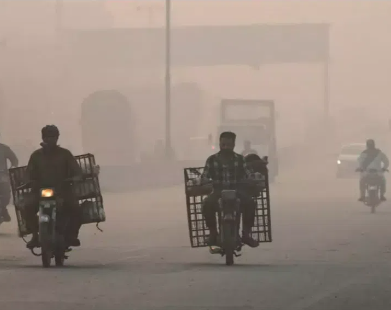
Lahore is often ranked as one of the most polluted cities in the world. The World Air Quality Index provides data. This data shows that Lahore consistently ranks among the top 10 cities with the worst air quality. This is especially true during the winter months. The city’s air quality index (AQI) often exceeds 300, which is considered hazardous to health. The situation becomes worse from October to December. During this period, smog, a mix of smoke, dust, and pollutants, envelops the city.

Key Pollutants in Lahore
The primary pollutants contributing to Lahore’s air quality problems include:
- Particulate Matter (PM2.5 and PM10): These fine particles, smaller than 10 microns, can penetrate deep into the lungs and bloodstream, causing serious respiratory issues.
- Nitrogen Dioxide (NO2): Primarily emitted from vehicles and industrial activity, NO2 contributes to respiratory diseases and exacerbates smog formation.
- Sulfur Dioxide (SO2): Often released from industrial processes and the burning of fossil fuels. SO2 can irritate the lungs. It also contributes to acid rain.
- Carbon Monoxide (CO): Emitted from vehicles and industrial sources, CO interferes with the body’s ability to absorb oxygen. This interference leads to fatigue and dizziness. In high concentrations, it can even be fatal.
Seasonal Variations in Pollution
The pollution levels in Lahore fluctuate significantly between seasons, with winter months being the most problematic. During the autumn and winter, agricultural waste burning contributes to the smog. The city’s industrial activity and traffic add to the pollution. Unfavorable weather conditions worsen the situation, creating a thick blanket of smog over the city. This smog limits visibility and exacerbates health risks for residents and visitors alike.
Causes of Pollution in Lahore
Pollution in Lahore is caused by a combination of factors, both natural and man-made. Understanding these factors is key to addressing the problem.
1. Traffic Congestion and Vehicle Emissions
One of the leading contributors to Lahore’s pollution is the high number of vehicles on the road. With a population of over 12 million, the city sees millions of vehicles daily. Unfortunately, many of these vehicles are old and poorly maintained. They emit large amounts of toxic gases like carbon monoxide, nitrogen oxides, and hydrocarbons into the air.
The lack of proper public transportation infrastructure in Lahore is a significant issue. It forces people to rely heavily on private cars, buses, and motorcycles. The resultant traffic congestion leads to more idling engines and increased air pollution.
2. Industrial Emissions
Lahore is home to a rapidly growing industrial sector, including textile factories, chemical plants, and brick kilns. Many of these industries lack proper environmental safeguards. They release large amounts of particulate matter and harmful gases into the atmosphere. The unregulated emission of pollutants from these industries adds significantly to the overall pollution burden in the city.
3. Agricultural Waste Burning
The burning of crop residue in nearby rural areas significantly causes seasonal pollution in Lahore. This is especially true in the winter months. Farmers burn the leftover straw after harvesting rice, wheat, and other crops. This practice is prevalent in the surrounding agricultural regions of Punjab. The smoke from these burns drifts into Lahore. It worsens the city’s air quality.
4. Construction and Dust
Lahore’s rapid urbanization and infrastructure development have led to a surge in construction activities. This development is necessary for the city’s growth. Nevertheless, it significantly contributes to air pollution in the form of dust and particulate matter. Poor dust management at construction sites exacerbates this problem.
5. Energy Consumption and Power Plants
Lahore’s energy sector is another major contributor to pollution. The city relies heavily on fossil fuels for energy generation, particularly coal and natural gas. While energy demand continues to rise, the reliance on coal-fired power plants increases the release of sulfur dioxide (SO2), nitrogen oxides (NOx), and particulate matter (PM2.5).
6. Weather and Geography
Lahore’s geographical location and weather patterns also play a role in its pollution levels. The city is located in a basin-like region. During winter, the cool air traps pollutants close to the ground. This leads to smog formation. The lack of wind during the cooler months prevents the dispersion of pollutants, leading to prolonged periods of high pollution.
The Impact of Pollution on Public Health
The most immediate and severe consequences of Lahore’s pollution are on the health of its residents. Polluted air is a leading cause of respiratory and cardiovascular diseases. Some of the major health impacts include:
1. Respiratory Diseases
Air pollution, particularly the presence of fine particulate matter (PM2.5), is known to aggravate respiratory conditions like asthma, bronchitis, and chronic obstructive pulmonary disease (COPD). Children, the elderly, and people with pre-existing respiratory conditions are at the highest risk.
2. Cardiovascular Diseases
Long-term exposure to polluted air can also lead to heart diseases, as pollutants like PM2.5 and nitrogen dioxide contribute to inflammation in the cardiovascular system. Studies have shown that residents of highly polluted areas are at an increased risk of heart attacks and strokes.
3. Increased Mortality Rate
According to the World Health Organization (WHO), air pollution is a leading cause of premature death worldwide. In Lahore, the toxic air has contributed to a rise in mortality rates. Thousands of deaths each year are attributed to air pollution-related diseases.
4. Impact on Children and Pregnant Women
Children are particularly vulnerable to the effects of air pollution. Exposure to polluted air can hinder lung development, leading to long-term health issues. Pregnant women who face high levels of pollution have increased risks. These risks include complications like preterm birth and low birth weight.
Environmental Consequences
Lahore’s pollution doesn’t just harm human health; it also has severe consequences for the environment. Some of the major environmental impacts include:
1. Deterioration of Air Quality
The high levels of pollution in Lahore’s air have led to poor visibility and smog formation. This affects not only the aesthetic value of the city but also makes it unsafe for residents and tourists. Lahore’s once-clear skies are now often obscured by a blanket of thick haze.
2. Effects on Flora and Fauna
Pollution can also harm Lahore’s green spaces and wildlife. The toxic air can cause damage to plant life, leading to a decrease in biodiversity. Many animals that call Lahore home face challenges due to the polluted environment. This leads to reduced populations. It also causes health issues among local wildlife.
3. Climate Change
The pollution in Lahore contributes to global warming and climate change. Emissions from vehicles, industrial sources, and power plants release greenhouse gases like carbon dioxide (CO2). These gases contribute to the greenhouse effect. This worsens the global climate crisis. It causes more extreme weather events, including heatwaves. The region also experiences irregular rainfall patterns.
The Impact on Lahore’s Tourism Industry
Lahore is one of Pakistan’s top tourist destinations, attracting travelers for its historical landmarks, cultural heritage, and vibrant festivals. Yet, the pollution crisis has begun to take a toll on the city’s tourism industry.
1. Deterioration of Tourist Experience
The thick smog and poor air quality negatively affect tourists’ experiences. Visitors come to Lahore to enjoy its beautiful gardens. They visit historic sites like the Lahore Fort and Badshahi Mosque. People also explore the bustling streets of the old city. Nonetheless, the pollution not only makes outdoor activities uncomfortable but also reduces the overall appeal of the city. Tourists are increasingly hesitant to visit cities with poor air quality. This puts Lahore’s reputation as a tourist destination at risk.
2. Health Risks for Tourists
Tourists visiting Lahore are also at risk of developing respiratory issues and other pollution-related health problems. This can deter international tourists who value their health and safety when choosing a destination. It also affects domestic tourism, with local travelers opting for destinations with better air quality.
3. Economic Consequences
The tourism sector is a significant contributor to Lahore’s economy. As pollution levels continue to rise, fewer tourists are expected to choose Lahore as a destination. This will lead to a decrease in revenue from hotels, restaurants, transport services, and tourist attractions.
Solutions to Combat Pollution in Lahore
Addressing Lahore’s pollution problem requires a multifaceted approach, involving both short-term and long-term strategies. Here are some potential solutions:
1. Improved Public Transportation
Investing in a modern, efficient, and eco-friendly public transportation system would reduce the number of private vehicles on the road. Expanding Lahore’s metro bus network and introducing electric buses will significantly lower vehicle emissions and reduce traffic congestion.